
Google Sheets Gantt Chart Template No Cost
Google Sheets Gantt Chart Template: Your Free Project Management Tool
Managing projects effectively requires clear visualization of tasks, timelines, and dependencies. While dedicated project management software offers sophisticated features, a simple and accessible solution is often all that’s needed. Enter the Google Sheets Gantt chart template – a free and readily available tool that can transform your project management workflow.
Why Use a Google Sheets Gantt Chart?
Before diving into the specifics, let’s explore the benefits of using a Google Sheets Gantt chart template:
- Cost-Effective: The most significant advantage is that it’s free! Google Sheets is part of Google Workspace, which offers a free tier with ample features for individual users and small teams. This eliminates the need for expensive project management software subscriptions.
- Accessibility and Collaboration: Google Sheets is cloud-based, allowing for real-time collaboration. Multiple team members can access and edit the chart simultaneously, ensuring everyone is on the same page. Changes are automatically saved and synced.
- Ease of Use: While powerful dedicated software can have a steep learning curve, Google Sheets is familiar to most users. The interface is intuitive, making it easy to create, modify, and understand the Gantt chart.
- Customization: Google Sheets offers a surprising level of customization. You can tailor the template to fit your specific project needs by adjusting colors, adding columns, and implementing conditional formatting.
- Integration with Google Workspace: Seamless integration with other Google Workspace apps like Docs, Slides, and Meet further enhances project management. You can link documents, presentations, and schedule meetings directly from your Gantt chart.
Finding and Using a Google Sheets Gantt Chart Template
Google Sheets provides several readily available Gantt chart templates. Here’s how to find and use them:
- Open Google Sheets: Go to sheets.google.com and sign in with your Google account.
- Access Template Gallery: Click the “+” icon to create a new spreadsheet. This might automatically open the template gallery. If not, go to “File” > “New” > “From template gallery”.
- Search for Gantt Chart: In the template gallery, type “Gantt chart” in the search bar. Several templates will appear.
- Choose a Template: Browse the templates and select the one that best suits your needs. Consider factors like the number of tasks, the level of detail required, and the visual layout.
- Customize the Template: Once the template is open, start customizing it to reflect your project.
- Task List: Replace the placeholder tasks with your actual project tasks. Provide a clear and concise description for each task.
- Start and End Dates: Enter the start and end dates for each task. These dates will determine the task’s position and length on the Gantt chart timeline.
- Dependencies: Define dependencies between tasks. This means specifying which tasks need to be completed before others can begin. Some templates may have built-in dependency features. If not, you can manually adjust task start dates based on dependencies.
- Assign Resources: Assign team members or resources to each task. This helps with accountability and workload management.
- Percentage Complete: Track the progress of each task by updating the “Percentage Complete” column. This will visually represent the task’s progress on the Gantt chart timeline.
- Conditional Formatting: Use conditional formatting to highlight tasks based on their status (e.g., overdue, in progress, completed). This can provide a quick visual overview of the project’s progress.
- Colors and Formatting: Customize the colors, fonts, and formatting to match your brand or personal preferences.
Tips for Effective Gantt Chart Usage
To maximize the effectiveness of your Google Sheets Gantt chart, consider these tips:
- Break Down Large Tasks: Divide large, complex tasks into smaller, more manageable subtasks. This makes it easier to track progress and identify potential roadblocks.
- Accurate Estimates: Provide realistic estimates for task durations. Overly optimistic estimates can lead to missed deadlines and project delays.
- Regular Updates: Update the Gantt chart regularly to reflect the actual progress of the project. This ensures that the chart remains accurate and useful.
- Communicate Changes: Communicate any changes to the Gantt chart to the team promptly. This keeps everyone informed and prevents confusion.
- Utilize Dependencies: Carefully define task dependencies to ensure that tasks are completed in the correct order.
- Monitor the Critical Path: Identify the critical path – the sequence of tasks that directly affects the project’s overall completion date. Focus on managing the tasks on the critical path to minimize the risk of delays.
- Leverage Add-ons: Explore Google Sheets add-ons that can enhance the functionality of your Gantt chart, such as automated dependency management or advanced reporting features.
Limitations of Google Sheets Gantt Charts
While Google Sheets Gantt charts are a powerful and free tool, it’s important to acknowledge their limitations:
- Limited Automation: Google Sheets lacks the advanced automation features found in dedicated project management software. Dependency management and resource allocation may require manual adjustments.
- Scaling Challenges: For very large and complex projects with numerous tasks and dependencies, Google Sheets may become cumbersome. Dedicated software is better suited for such projects.
- Reporting Limitations: While you can create basic reports in Google Sheets, it lacks the sophisticated reporting capabilities of specialized project management tools.
Conclusion
The Google Sheets Gantt chart template offers a practical and cost-effective solution for project management, especially for small teams and simple to medium complexity projects. Its accessibility, ease of use, and collaborative features make it a valuable tool for visualizing timelines, tracking progress, and ensuring project success. While it may not have all the bells and whistles of dedicated software, its simplicity and cost-effectiveness make it a compelling option for those seeking a free and readily available project management solution. Remember to tailor the template to your specific needs, update it regularly, and communicate changes effectively to your team to maximize its effectiveness.
 0 x 0 google sheets gantt chart template teamgantt from www.teamgantt.com
  1786×1040 google sheet gantt chart template from instagantt.com
 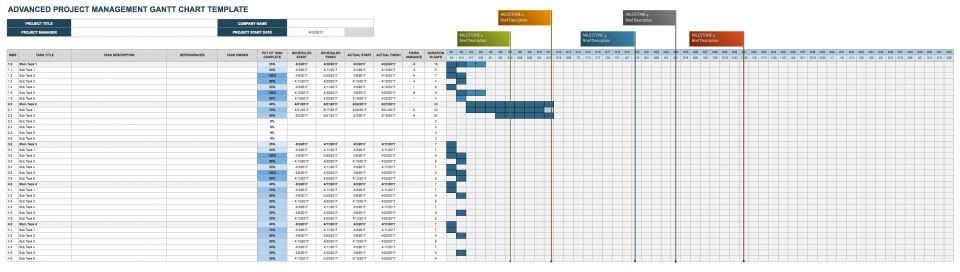 960×272 google sheets gantt chart templates smartsheet from www.smartsheet.com
 Thank you for visiting Google Sheets Gantt Chart Template No Cost. There are a lot of beautiful templates out there, but it can be easy to feel like a lot of the best cost a ridiculous amount of money, require special design. And if at this time you are looking for information and ideas regarding the Google Sheets Gantt Chart Template No Cost then, you are in the perfect place. Get this Google Sheets Gantt Chart Template No Cost for free here. We hope this post Google Sheets Gantt Chart Template No Cost inspired you and help you what you are looking for.
Google Sheets Gantt Chart Template No Cost was posted in December 16, 2025 at 4:19 am. If you wanna have it as yours, please click the Pictures and you will go to click right mouse then Save Image As and Click Save and download the Google Sheets Gantt Chart Template No Cost Picture.. Don’t forget to share this picture with others via Facebook, Twitter, Pinterest or other social medias! we do hope you'll get inspired by SampleTemplates123... Thanks again! If you have any DMCA issues on this post, please contact us!