
Minimal Productivity Tips For Students
Minimal Productivity Tips for Students: Less Stress, More Success
Student life is often a whirlwind of lectures, assignments, exams, and (hopefully) some fun in between. Feeling overwhelmed and unproductive is a common experience. But productivity isn’t about doing more; it’s about doing the right things, effectively and efficiently. These tips are designed to be minimal – easily integrated into your existing routine without adding extra stress.
1. The Power of One: One Thing at a Time
Multitasking is a myth. Our brains are wired for sequential processing, meaning we perform better when focusing on a single task. Choose one crucial task for the day. Just one. It could be writing the first draft of an essay, reading a chapter, or solving practice problems. Accomplishing that one thing will create a ripple effect of motivation and momentum.
Break down larger tasks into smaller, more manageable chunks. Instead of “Write essay,” think “Write the introduction” or “Outline the main points.” Smaller steps feel less daunting and provide a sense of accomplishment as you progress.
2. Time Blocking: Schedule Your Focus
Time blocking involves allocating specific time slots for specific tasks. This isn’t about micromanaging every minute, but rather about creating structure and dedicated focus time. Decide when you’ll tackle your “one thing” for the day and block out that time in your calendar. Treat it like an important appointment you can’t miss.
Consider using the Pomodoro Technique. Work in focused 25-minute intervals, followed by a 5-minute break. After four “pomodoros,” take a longer 15-20 minute break. This structure helps maintain concentration and prevents burnout. Experiment with different intervals to find what works best for you.
3. Eliminate Distractions: Create a Focus Zone
Distractions are productivity killers. Identify your biggest distractions – social media, noisy environments, wandering thoughts – and actively eliminate them. Turn off notifications on your phone, use website blockers, find a quiet study space, or wear noise-canceling headphones.
Communicate your focus time to others. Let roommates or family members know when you need uninterrupted time. Creating a dedicated study space, even if it’s just a corner of your room, can help signal to your brain that it’s time to focus.
4. The Two-Minute Rule: Tackle Small Tasks Immediately
If a task takes less than two minutes to complete, do it right away. This prevents small tasks from piling up and becoming overwhelming. Reply to a quick email, file a document, put away your books. These small actions add up to significant time savings and reduce mental clutter.
This rule also works in reverse. If you’re struggling to start a large task, commit to working on it for just two minutes. Often, that small initial effort is enough to overcome inertia and get you into the flow.
5. Prioritize Sleep and Rest: Recharge Your Brain
Sleep deprivation severely impacts cognitive function, concentration, and memory. Aim for 7-9 hours of quality sleep each night. Establish a regular sleep schedule, create a relaxing bedtime routine, and avoid caffeine and screens before bed.
Rest isn’t laziness; it’s essential for productivity. Schedule regular breaks throughout the day to recharge your brain. Go for a walk, listen to music, practice mindfulness, or simply step away from your work for a few minutes. These breaks will improve your focus and prevent burnout.
6. Review and Adjust: Iterate for Improvement
Take a few minutes each week to review your productivity strategies. What worked well? What didn’t? What can you improve? Experiment with different techniques, track your progress, and adjust your approach based on your individual needs and preferences.
Productivity is a personal journey. There’s no one-size-fits-all solution. Be patient with yourself, celebrate your successes, and keep experimenting until you find a system that works for you.
7. Embrace Imperfection: Done is Better Than Perfect
Perfectionism can be a major productivity killer. Don’t get bogged down trying to make everything perfect. Focus on completing tasks to a satisfactory level. Remember, “done is better than perfect.” You can always refine and improve later, but getting something finished is crucial for moving forward.
Avoid analysis paralysis. Don’t spend excessive time planning or researching. At some point, you need to take action and start working. Trust your instincts and make progress, even if it’s not perfect.
By focusing on these minimal productivity tips, you can create a more effective and less stressful student experience. Remember, the goal isn’t to do everything, but to do the right things, consistently and efficiently.
 780×450 effective productivity tips students essay professorscom blog from essay-professors.com
  741×1024 top productivity tips students learn color from learnincolor.com
  1024×512 productivity students simple tips top grades from successiswhat.com
  1200×1200 productivity tips teachers from thesimplyorganizedteacher.com
  683×1024 productivity tips tools teachers students suls shake from shakeuplearning.com
  664×1024 top productivity tips students espresso ambition from www.espressoandambition.com
 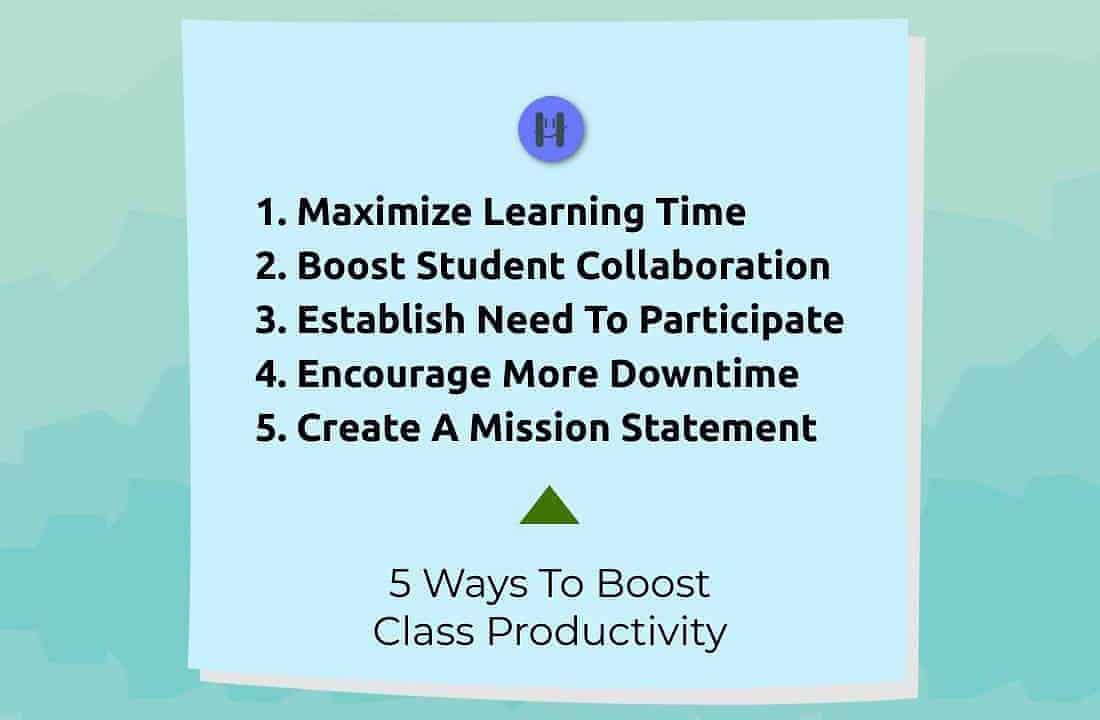 0 x 0 classroom productivity incredible ways increase from happyproject.in
 Thank you for visiting Minimal Productivity Tips For Students. There are a lot of beautiful templates out there, but it can be easy to feel like a lot of the best cost a ridiculous amount of money, require special design. And if at this time you are looking for information and ideas regarding the Minimal Productivity Tips For Students then, you are in the perfect place. Get this Minimal Productivity Tips For Students for free here. We hope this post Minimal Productivity Tips For Students inspired you and help you what you are looking for.
Minimal Productivity Tips For Students was posted in December 5, 2025 at 7:41 pm. If you wanna have it as yours, please click the Pictures and you will go to click right mouse then Save Image As and Click Save and download the Minimal Productivity Tips For Students Picture.. Don’t forget to share this picture with others via Facebook, Twitter, Pinterest or other social medias! we do hope you'll get inspired by SampleTemplates123... Thanks again! If you have any DMCA issues on this post, please contact us!