
User Testing Gantt Timeline Planning Sheet
Here’s a breakdown of creating a user testing Gantt timeline, formatted in HTML and avoiding unnecessary tags for cleaner integration:
User Testing Gantt Timeline Planning
A Gantt chart provides a visual representation of a project timeline, making it an invaluable tool for planning and managing user testing effectively. It breaks down the user testing process into manageable tasks, assigns durations, identifies dependencies, and visualizes progress. This structured approach ensures projects stay on track and resources are allocated optimally.
Why Use a Gantt Chart for User Testing?
- Clarity & Visibility: Offers a clear overview of all user testing activities, deadlines, and dependencies.
- Resource Management: Helps allocate resources efficiently by identifying when specific team members or equipment are needed.
- Dependency Tracking: Highlights tasks that rely on the completion of others, preventing bottlenecks.
- Progress Monitoring: Allows you to track the progress of each task and the overall project against the planned schedule.
- Risk Mitigation: Identifying potential delays early allows for proactive mitigation strategies.
- Improved Communication: Facilitates communication among team members, stakeholders, and clients by providing a shared understanding of the project plan.
Key Components of a User Testing Gantt Chart
A Gantt chart primarily consists of the following:
- Tasks/Activities: These are the individual steps required to complete the user testing project (e.g., recruit participants, create test scripts, conduct testing sessions).
- Start Date: The date when a task is scheduled to begin.
- End Date: The date when a task is scheduled to be completed.
- Duration: The amount of time expected to complete a task (expressed in days, weeks, etc.).
- Dependencies: Relationships between tasks indicating which tasks must be completed before others can begin (e.g., the “Create Test Script” task must be completed before “Conduct Testing Sessions”).
- Resources: People, equipment, or other assets required to complete each task.
- Milestones: Significant checkpoints or deliverables within the project (e.g., “Recruitment Complete,” “Testing Complete”).
- Progress: A visual indication of how much of a task has been completed, usually represented by a shaded portion of the task bar.
Steps to Create a User Testing Gantt Chart
- Define the Scope of User Testing: Clearly define the goals and objectives of the user testing. What are you trying to achieve with the testing? Which aspects of the product or service are you testing? A well-defined scope provides a framework for all subsequent planning.
- Break Down the Project into Tasks: Identify all the tasks and activities necessary to complete the user testing project. Be as specific as possible. Examples include:
- Planning meeting
- Developing a user testing plan
- Creating participant screening criteria
- Recruiting participants
- Writing test scripts and scenarios
- Pilot testing the scripts
- Scheduling testing sessions
- Conducting user testing sessions
- Analyzing user testing data
- Writing a user testing report
- Presenting the findings to stakeholders
- Estimate Task Durations: Estimate the time required to complete each task. Consider factors such as the complexity of the task, the availability of resources, and potential risks. Use historical data from previous user testing projects to inform your estimations. If this is new territory, err on the side of caution and build in buffer time.
- Identify Task Dependencies: Determine which tasks depend on the completion of others. Draw arrows between tasks to visually represent these dependencies. For example, you cannot begin conducting user testing sessions until the test scripts are written and finalized. Similarly, data analysis cannot begin until testing sessions are complete.
- Allocate Resources: Assign resources (people, equipment, etc.) to each task. Identify the specific individuals or teams responsible for each task. This ensures accountability and helps manage workload.
- Choose a Gantt Chart Tool: Select a tool for creating and managing the Gantt chart. Options range from simple spreadsheet software like Microsoft Excel or Google Sheets to dedicated project management software like Microsoft Project, Asana, Monday.com, or Jira. Consider the complexity of your project and your team’s familiarity with the tools when making your selection. Some tools offer free trials, so you can test them out before committing to a purchase.
- Create the Gantt Chart: Input the tasks, start dates, durations, dependencies, and resources into the chosen Gantt chart tool. The tool will automatically generate the visual representation of the timeline.
- Set Milestones: Mark significant checkpoints or deliverables within the project as milestones. This provides a clear indication of progress and helps celebrate achievements. Examples include “Recruitment Complete,” “Test Script Finalized,” and “Testing Complete.”
- Monitor Progress and Update the Chart: Regularly monitor the progress of each task and update the Gantt chart accordingly. If a task is delayed, adjust the schedule to reflect the delay and its impact on subsequent tasks. This ensures that the Gantt chart remains an accurate representation of the project timeline.
- Communicate the Gantt Chart: Share the Gantt chart with all team members and stakeholders. This provides a shared understanding of the project plan and facilitates communication. Use the Gantt chart as a basis for discussions about project progress, risks, and potential adjustments to the schedule.
Example User Testing Gantt Chart Snippet
Imagine a simplified Gantt chart (this isn’t executable code, but illustrates the data structure):
| Task | Start Date | Duration (Days) | Dependencies |
|---|---|---|---|
| Recruit Participants | 2024-10-26 | 7 | None |
| Write Test Scripts | 2024-10-26 | 5 | None |
| Conduct Testing Sessions | 2024-11-04 | 5 | Recruit Participants, Write Test Scripts |
| Analyze Data | 2024-11-11 | 3 | Conduct Testing Sessions |
| Write Report | 2024-11-14 | 2 | Analyze Data |
This data would then be visualized in the Gantt chart tool, showing the bars representing each task and the connecting lines indicating dependencies.
Tips for an Effective Gantt Chart
- Keep it Simple: Avoid overloading the Gantt chart with too much detail. Focus on the essential tasks and dependencies.
- Be Realistic: Base your task estimations on realistic assumptions and historical data. Building in buffer time can help accommodate unexpected delays.
- Regularly Update: Update the Gantt chart regularly to reflect actual progress and any changes to the plan.
- Involve the Team: Involve the team in the planning process to ensure buy-in and a shared understanding of the project goals.
- Use Color Coding: Use color coding to highlight different types of tasks, resources, or milestones. This makes the Gantt chart easier to read and understand.
- Consider the Critical Path: Identify the critical path, which is the sequence of tasks that directly impacts the project’s completion date. Focus on monitoring and managing these tasks closely.
By implementing a Gantt chart for your user testing projects, you’ll establish a structured and transparent planning process, increasing the likelihood of on-time and within-budget completion, ultimately leading to more effective and insightful user testing results.
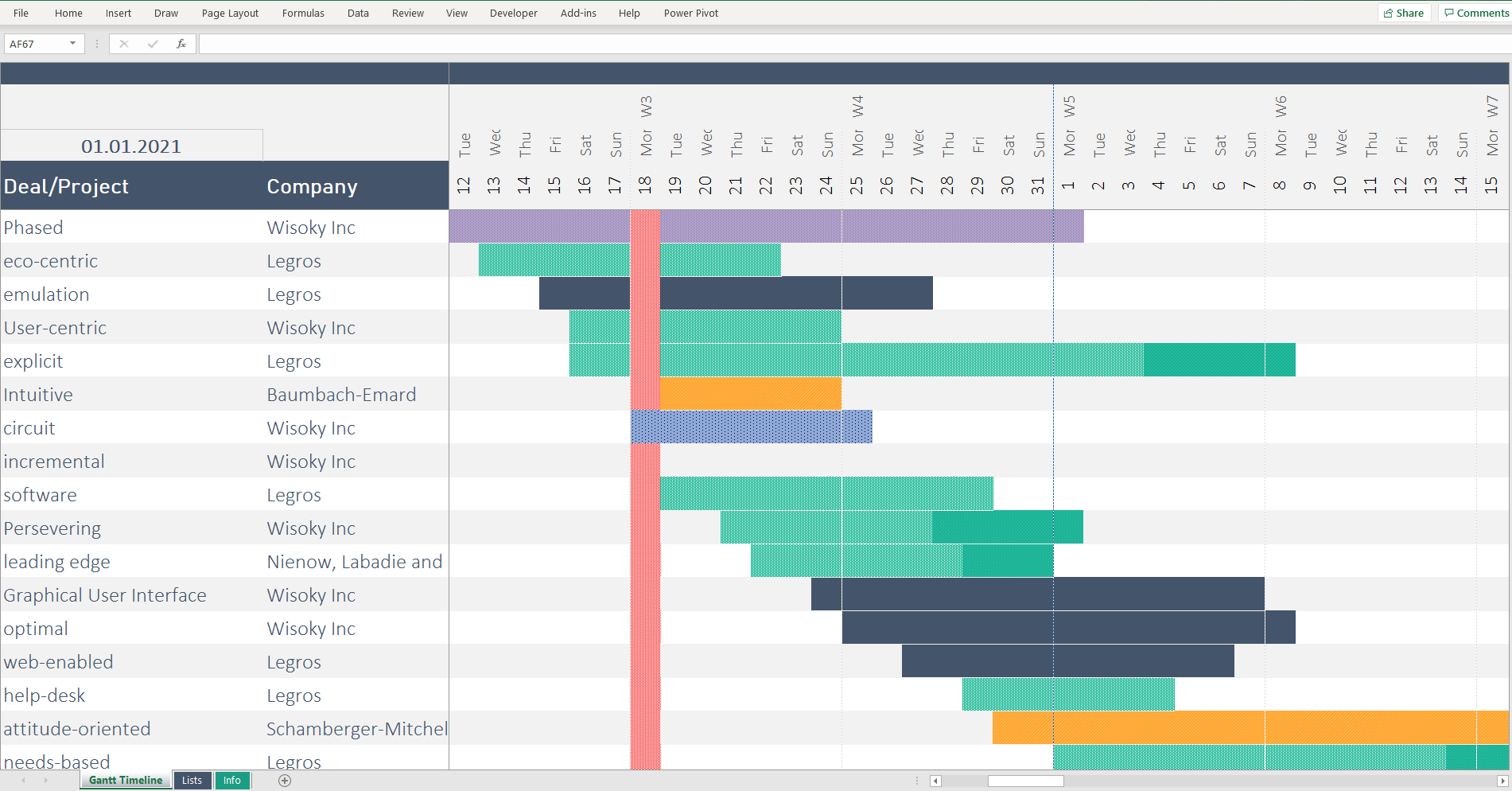 1901×994 excel gantt chart flexible project spreadsheet luxtemplates from luxtemplates.com
 Thank you for visiting User Testing Gantt Timeline Planning Sheet. There are a lot of beautiful templates out there, but it can be easy to feel like a lot of the best cost a ridiculous amount of money, require special design. And if at this time you are looking for information and ideas regarding the User Testing Gantt Timeline Planning Sheet then, you are in the perfect place. Get this User Testing Gantt Timeline Planning Sheet for free here. We hope this post User Testing Gantt Timeline Planning Sheet inspired you and help you what you are looking for.
User Testing Gantt Timeline Planning Sheet was posted in February 11, 2026 at 4:33 am. If you wanna have it as yours, please click the Pictures and you will go to click right mouse then Save Image As and Click Save and download the User Testing Gantt Timeline Planning Sheet Picture.. Don’t forget to share this picture with others via Facebook, Twitter, Pinterest or other social medias! we do hope you'll get inspired by SampleTemplates123... Thanks again! If you have any DMCA issues on this post, please contact us!