
Blank Gantt Chart Template For Construction
Blank Gantt Chart Template for Construction Projects
A blank Gantt chart template serves as a cornerstone for effective construction project management. It’s a visual roadmap that helps organize, schedule, and track the numerous tasks involved in bringing a construction project to completion. By providing a clear timeline and highlighting task dependencies, a Gantt chart template empowers project managers to maintain control, minimize delays, and optimize resource allocation. This article explores the benefits of using a blank Gantt chart template in construction, outlines its essential components, and provides practical tips for customization. Why Use a Blank Gantt Chart Template? Construction projects are inherently complex, involving multiple stakeholders, intricate tasks, and potential unforeseen circumstances. Attempting to manage such projects without a structured visual aid like a Gantt chart can quickly lead to chaos, cost overruns, and missed deadlines. A blank template offers several key advantages: * **Improved Planning and Organization:** The template forces project managers to break down the entire project into manageable tasks, identify dependencies between tasks, and assign realistic durations. This structured approach fosters a well-defined plan from the outset. * **Enhanced Communication and Collaboration:** A visual Gantt chart provides a clear and concise representation of the project schedule, making it easy for all team members, contractors, and stakeholders to understand their roles and responsibilities. This promotes better communication and collaboration throughout the project lifecycle. * **Effective Time Management:** By clearly displaying task durations and dependencies, the template allows project managers to identify the critical path – the sequence of tasks that directly impacts the project’s completion date. This knowledge enables them to prioritize critical tasks and allocate resources effectively to minimize potential delays. * **Proactive Risk Management:** The template helps identify potential bottlenecks and dependencies that could pose risks to the project timeline. By visualizing these potential issues, project managers can proactively develop mitigation strategies to prevent or minimize their impact. * **Simplified Progress Tracking:** The Gantt chart facilitates easy monitoring of project progress. As tasks are completed, they can be marked accordingly on the chart, providing a clear visual representation of the project’s overall status. This allows project managers to quickly identify any deviations from the planned schedule and take corrective action. * **Increased Accountability:** By assigning tasks to specific individuals or teams, the Gantt chart promotes accountability and ownership. Team members are more likely to stay on track when they are clearly responsible for specific deliverables and deadlines. Essential Components of a Blank Gantt Chart Template A well-designed blank Gantt chart template should include the following essential components: * **Task List:** This section lists all the individual tasks required to complete the project. The tasks should be broken down into smaller, more manageable sub-tasks for better clarity and control. Examples in construction might include: site clearing, foundation pouring, framing, electrical wiring, plumbing installation, drywall installation, painting, landscaping, and final inspection. * **Start Date:** This column indicates the planned start date for each task. This is a crucial element for sequencing tasks and ensuring they are completed in the correct order. * **End Date:** This column indicates the planned completion date for each task. The difference between the start and end dates determines the task’s duration. * **Duration:** This represents the estimated time required to complete each task. Duration is typically measured in days, weeks, or months, depending on the complexity of the task. * **Dependencies:** This column specifies the relationships between tasks. It indicates which tasks must be completed before others can begin. Identifying dependencies is critical for accurately sequencing tasks and determining the critical path. For instance, framing must be completed before drywall installation can begin. * **Assignee:** This column identifies the individual or team responsible for completing each task. This ensures accountability and promotes ownership. * **Progress:** This column indicates the current progress of each task, typically expressed as a percentage completed. This allows project managers to track overall project status and identify any tasks that are falling behind schedule. * **Gantt Chart Bar:** This is the visual representation of each task’s duration and timeline. It typically appears as a horizontal bar that extends from the task’s start date to its end date. The Gantt chart bar provides a quick and easy way to visualize the project schedule and identify potential overlaps or conflicts. Customizing Your Blank Gantt Chart Template While a blank template provides a solid foundation, it’s important to customize it to meet the specific needs of your construction project. Consider the following customization tips: * **Define Task Categories:** Group similar tasks into categories (e.g., site preparation, structural work, finishing) to improve organization and readability. * **Use Color-Coding:** Assign different colors to different task categories or assignees to make the chart more visually appealing and easier to understand. * **Add Milestones:** Include key project milestones to track significant achievements and provide a sense of progress. * **Incorporate Resource Allocation:** Add a column to track the resources (e.g., labor, equipment, materials) allocated to each task. * **Include Notes:** Add a notes column to provide additional context or information about each task. * **Regularly Update:** The Gantt chart is a living document and should be updated regularly to reflect the actual progress of the project. This ensures that the chart remains accurate and relevant. * **Choose the Right Tool:** There are numerous software options available for creating and managing Gantt charts, ranging from simple spreadsheet programs to sophisticated project management platforms. Choose a tool that meets your specific needs and budget. By using a customized blank Gantt chart template, construction project managers can effectively plan, organize, and track their projects, ultimately leading to successful project completion, within budget and on schedule. The template fosters improved communication, proactive risk management, and increased accountability, ensuring that all stakeholders are aligned and working towards a common goal.
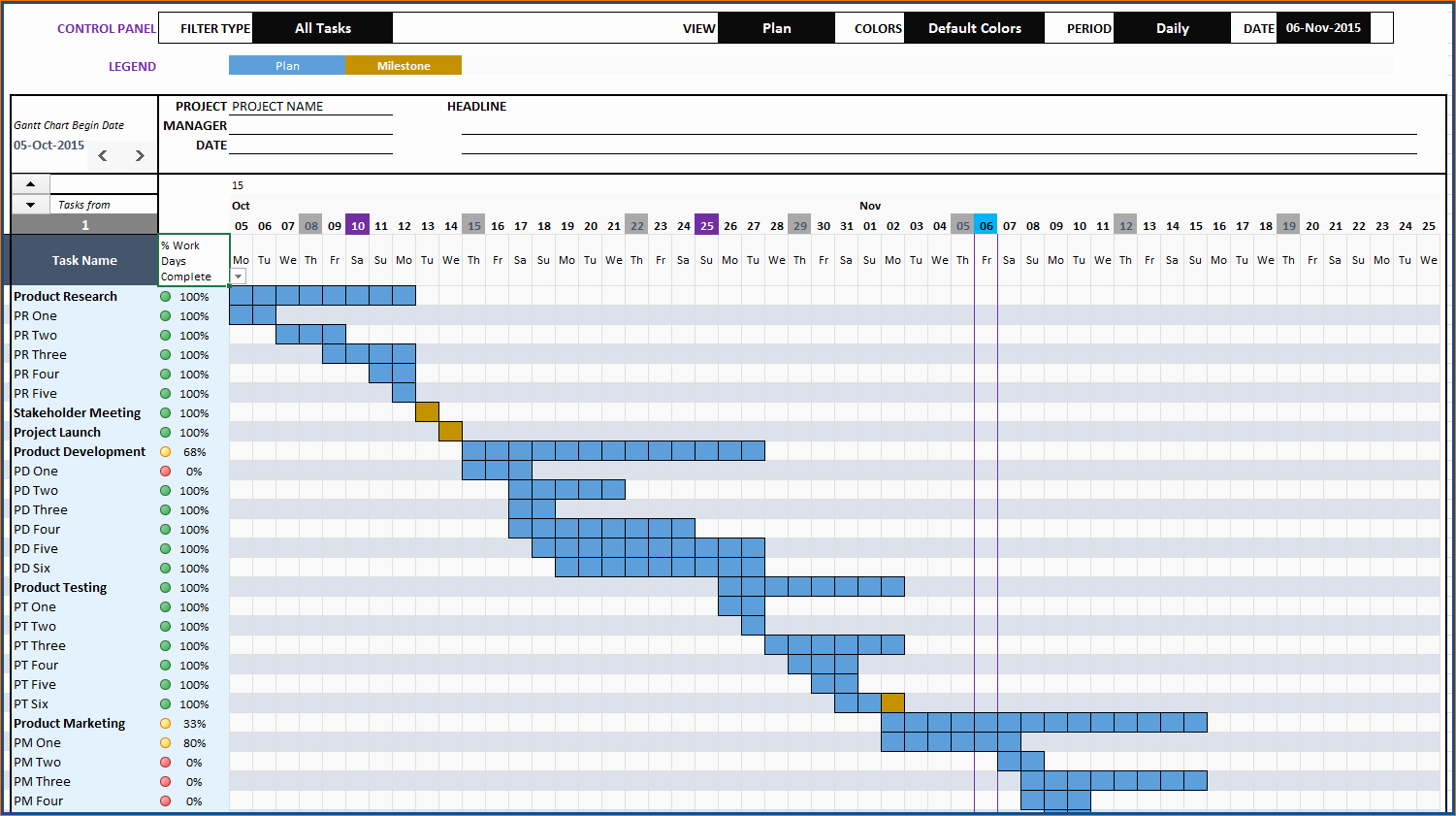 1501×841 construction gantt chart excel template from shootersjournal.net
  1577×636 construction gantt chart excel template gantt excel from www.ganttexcel.com
 Thank you for visiting Blank Gantt Chart Template For Construction. There are a lot of beautiful templates out there, but it can be easy to feel like a lot of the best cost a ridiculous amount of money, require special design. And if at this time you are looking for information and ideas regarding the Blank Gantt Chart Template For Construction then, you are in the perfect place. Get this Blank Gantt Chart Template For Construction for free here. We hope this post Blank Gantt Chart Template For Construction inspired you and help you what you are looking for.
Blank Gantt Chart Template For Construction was posted in November 23, 2025 at 12:41 pm. If you wanna have it as yours, please click the Pictures and you will go to click right mouse then Save Image As and Click Save and download the Blank Gantt Chart Template For Construction Picture.. Don’t forget to share this picture with others via Facebook, Twitter, Pinterest or other social medias! we do hope you'll get inspired by SampleTemplates123... Thanks again! If you have any DMCA issues on this post, please contact us!