
MS Word Gantt Chart Template With Dependencies
Mastering Project Timelines: Utilizing MS Word Gantt Chart Templates with Dependencies
Project management often feels like juggling multiple balls in the air simultaneously. To keep things organized and on track, a Gantt chart is an indispensable tool. While dedicated project management software offers sophisticated features, sometimes a simple and accessible solution is all you need. This is where MS Word Gantt chart templates shine, especially when incorporating dependencies between tasks.
Why Use a Gantt Chart?
Before delving into Word templates, let’s recap the power of Gantt charts:
- Visual Representation: Gantt charts provide a clear visual representation of project timelines, making it easy to understand the duration of tasks, their start and end dates, and their overall progress.
- Task Breakdown: They help break down complex projects into smaller, more manageable tasks, making it easier to assign resources and track progress.
- Deadline Management: Gantt charts facilitate setting realistic deadlines and monitoring adherence to the project schedule.
- Resource Allocation: By visualizing task timelines, resource allocation becomes more efficient, preventing bottlenecks and ensuring optimal resource utilization.
- Communication & Collaboration: They serve as a valuable communication tool, allowing stakeholders to understand project status and identify potential delays.
Leveraging MS Word Gantt Chart Templates
MS Word provides a readily available and user-friendly environment to create basic Gantt charts. While not as feature-rich as dedicated software, pre-designed templates can significantly expedite the process. Many free and premium Gantt chart templates are available online, offering varying levels of customization and complexity.
To find a template, simply open Word, go to “File,” then “New,” and search for “Gantt chart.” You’ll find a selection of options. Choose one that aligns with your project’s complexity and aesthetic preferences.
Adding Dependencies: The Key to Effective Project Management
The true power of a Gantt chart lies in its ability to represent dependencies between tasks. Dependencies define the relationships between tasks, specifying which tasks must be completed before others can begin. This is crucial for ensuring a logical workflow and preventing tasks from starting prematurely.
In MS Word, implementing dependencies requires a bit more manual effort compared to dedicated software, but it’s certainly achievable. Here’s how you can approach it:
- Identify Dependencies: The first step is to carefully analyze your project and identify the relationships between tasks. Common dependency types include:
- Finish-to-Start (FS): Task B cannot start until Task A is finished. This is the most common type.
- Start-to-Start (SS): Task B cannot start until Task A starts.
- Finish-to-Finish (FF): Task B cannot finish until Task A finishes.
- Start-to-Finish (SF): Task B cannot finish until Task A starts. This is a less common type.
- Representing Dependencies Visually: In a basic Word Gantt chart, you can visually represent dependencies using arrows or lines connecting the task bars. Use the “Shapes” tool in Word’s “Insert” tab to draw these connectors. Place the arrows or lines in a way that clearly indicates the flow of tasks and their relationships.
- Adding Notes and Explanations: Since Word doesn’t automatically manage dependencies, it’s essential to add notes or explanations near the connecting arrows to clarify the type of dependency (FS, SS, FF, SF) and any specific constraints.
- Manual Adjustment for Delays: If a task is delayed, you’ll need to manually adjust the dependent tasks accordingly. This requires careful attention to ensure the entire project timeline remains accurate. Select the tasks with dependencies in the chart and drag to adjust for the delay. Recalculate the completion dates of subsequent tasks to reflect the delay.
Tips for Effective Gantt Chart Creation in Word
- Keep it Simple: Avoid overwhelming the chart with unnecessary details. Focus on the key tasks and milestones.
- Use Color Coding: Implement color coding to differentiate between task types, status, or resource allocation.
- Regularly Update: Make sure to update the Gantt chart regularly to reflect the current project status.
- Save Versions: Saving different versions of your Gantt chart ensures that you have a record of previous project timelines. This is beneficial for tracking progress and analyzing past project performance.
- Consider Using Tables: Use tables to organize your task data, making it easier to manage and update the information. The table can contain columns for task name, start date, end date, resources, and status.
- Zoom in and Out: Word allows you to zoom in and out on the document to better view all of the information in the chart.
Limitations of MS Word Gantt Charts
While Word Gantt chart templates are convenient, they have limitations compared to specialized project management software:
- Lack of Automation: Dependencies are managed manually, requiring constant updates and adjustments.
- Limited Collaboration Features: Sharing and collaborating on Word documents can be cumbersome, especially with multiple stakeholders.
- No Advanced Reporting: Word doesn’t offer advanced reporting capabilities for tracking progress, identifying risks, or analyzing project performance.
Conclusion
MS Word Gantt chart templates with dependencies offer a practical and accessible solution for managing simple projects. They are particularly useful for individuals or small teams who need a basic visual representation of their project timeline. However, for complex projects with numerous dependencies, consider investing in dedicated project management software to streamline the process and enhance collaboration. Despite their limitations, Word Gantt charts remain a valuable tool for visualizing project timelines and managing basic dependencies, empowering you to stay organized and on track towards project success.
 2339×1654 gantt chart template word markmeckler template design from markmeckler.net
  1826×724 gantt chart dependencies templates smartsheet from www.smartsheet.com
  767×531 gantt chart word template sample gantt chart itil docs itil from www.itil-docs.com
 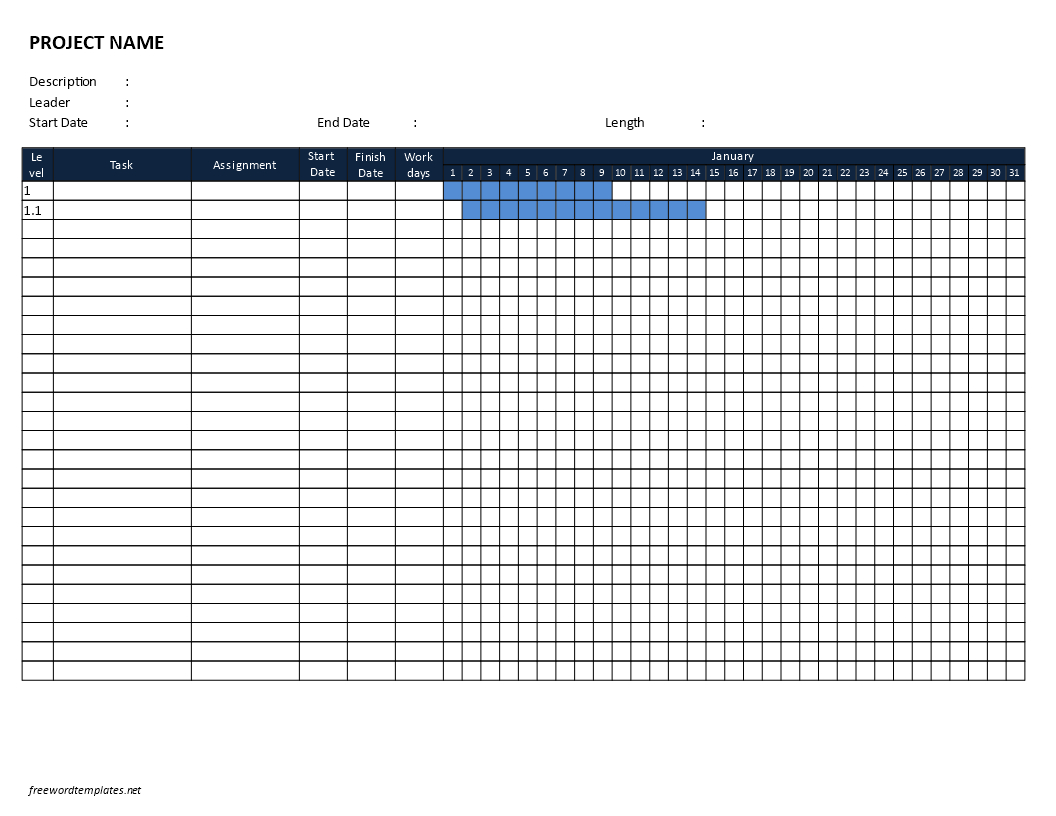 1056×816 gantt chart word document template db excelcom from db-excel.com
  1384×1052 gantt chart template word heritagechristiancollege from www.heritagechristiancollege.com
 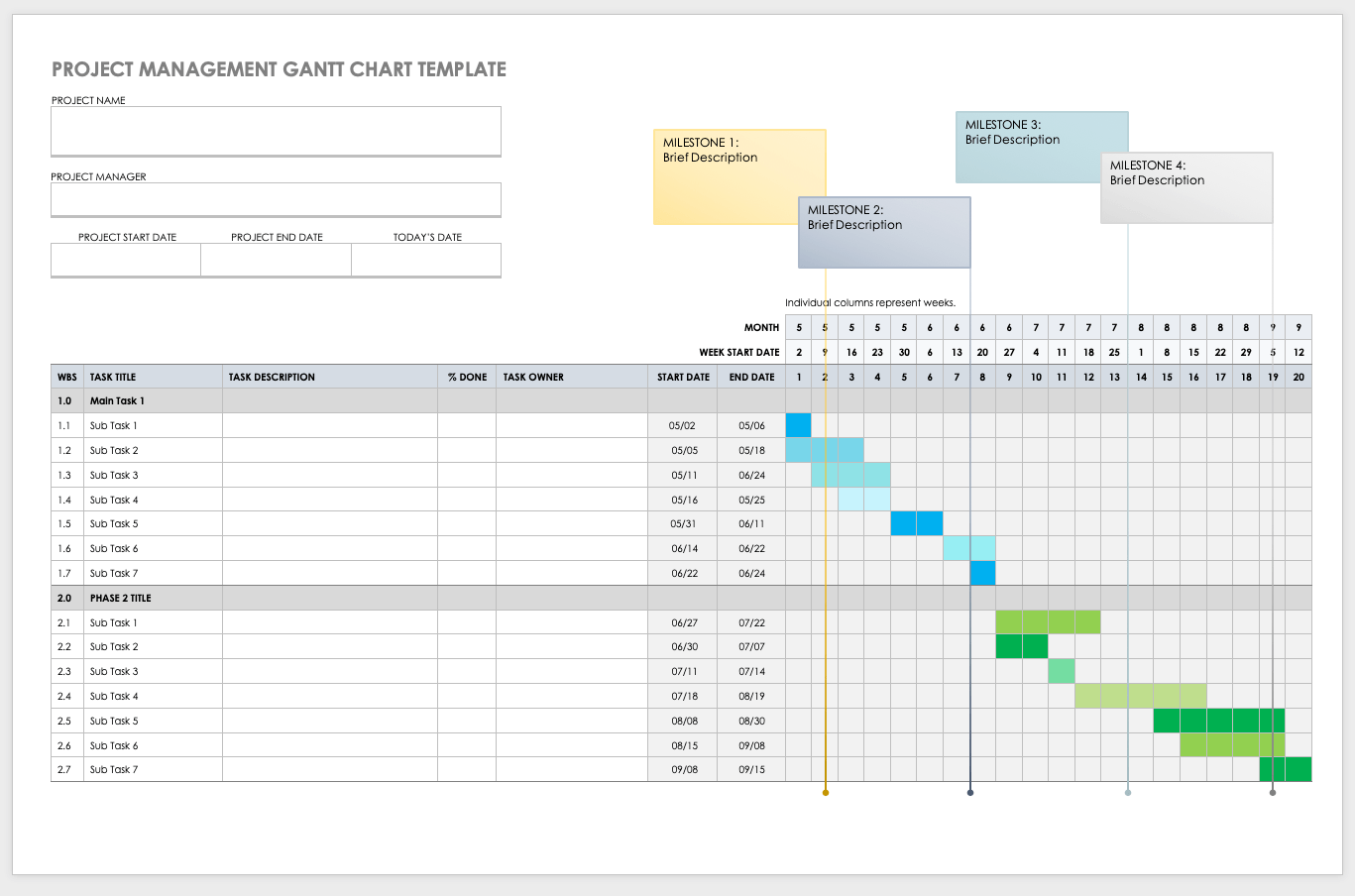 1367×904 gantt chart templates ms word smartshee from www.smartsheet.com
  1035×800 gantt chart template word template business from nationalgriefawarenessday.com
  2288×1226 gantt chart template excel monthly excel templates from exceltemplate77.blogspot.com
  1179×704 create gantt chart microsoft word smartsheet from www.smartsheet.com
 Thank you for visiting MS Word Gantt Chart Template With Dependencies. There are a lot of beautiful templates out there, but it can be easy to feel like a lot of the best cost a ridiculous amount of money, require special design. And if at this time you are looking for information and ideas regarding the MS Word Gantt Chart Template With Dependencies then, you are in the perfect place. Get this MS Word Gantt Chart Template With Dependencies for free here. We hope this post MS Word Gantt Chart Template With Dependencies inspired you and help you what you are looking for.
MS Word Gantt Chart Template With Dependencies was posted in November 15, 2025 at 11:18 pm. If you wanna have it as yours, please click the Pictures and you will go to click right mouse then Save Image As and Click Save and download the MS Word Gantt Chart Template With Dependencies Picture.. Don’t forget to share this picture with others via Facebook, Twitter, Pinterest or other social medias! we do hope you'll get inspired by SampleTemplates123... Thanks again! If you have any DMCA issues on this post, please contact us!