
Gantt Chart Template With Built-in Priority Levels
Gantt Chart Template with Built-in Priority Levels: A Comprehensive Guide
Project management thrives on structure, clarity, and the ability to adapt to evolving priorities. A Gantt chart, a staple visual tool in project management, excels at mapping out project timelines and dependencies. Elevating its utility further is the integration of priority levels directly within the template. This article explores the benefits, features, and implementation strategies of Gantt chart templates with built-in priority levels.
Why Prioritize Within a Gantt Chart?
Traditional Gantt charts effectively visualize tasks, start and end dates, and task dependencies. However, they often lack a clear mechanism for indicating the importance or urgency of each task. This omission can lead to misallocation of resources, delayed critical tasks, and ultimately, project setbacks. Embedding priority levels within the Gantt chart addresses these shortcomings by:
- Enhancing Task Visibility: Clearly highlighting the most crucial tasks ensures that team members focus their efforts where they matter most.
- Improving Resource Allocation: Allows project managers to strategically assign resources to high-priority tasks first, maximizing efficiency and minimizing bottlenecks.
- Facilitating Informed Decision-Making: Provides a visual representation of task importance, enabling project managers to make informed decisions regarding scheduling, resource allocation, and risk mitigation.
- Promoting Team Alignment: Creates a shared understanding of project priorities, fostering better communication and collaboration within the team.
- Adapting to Change: Simplifies the process of re-prioritizing tasks when unexpected events or changes in project scope occur.
Key Features of a Priority-Integrated Gantt Chart Template
A well-designed Gantt chart template with built-in priority levels should incorporate the following features:
- Clearly Defined Priority Levels: The template should offer a range of priority levels, such as “High,” “Medium,” and “Low,” or numerical scales (e.g., 1-5) for finer granularity. The definitions for each level should be clearly documented to ensure consistent understanding across the team.
- Visual Cues for Priority: The template should use visual cues, such as color-coding, icons, or highlighting, to represent different priority levels. For example, high-priority tasks could be displayed in red, medium-priority tasks in yellow, and low-priority tasks in green.
- Customizable Priority Scheme: The template should allow for customization of the priority scheme to align with specific project needs. This might involve adding or modifying priority levels, adjusting the visual cues associated with each level, or defining custom criteria for assigning priorities.
- Filtering and Sorting Capabilities: The template should enable users to filter and sort tasks based on priority level. This allows project managers to quickly identify and focus on the most critical tasks.
- Dependency Tracking: The template should maintain the core functionality of a standard Gantt chart, including the ability to define and track task dependencies. This ensures that the priority scheme is integrated seamlessly with the overall project schedule.
- Progress Tracking: The template should provide a mechanism for tracking the progress of each task, regardless of its priority level. This allows project managers to monitor overall project performance and identify potential delays.
- Reporting Capabilities: The template should generate reports that include information on task priorities, allowing project managers to communicate the project’s status and priorities to stakeholders.
- User-Friendliness: The template should be easy to use and understand, even for users with limited experience with Gantt charts. This includes clear instructions, intuitive interface design, and readily available support resources.
Implementing a Priority-Based Gantt Chart: A Step-by-Step Guide
Implementing a Gantt chart template with built-in priority levels requires careful planning and execution. Here’s a step-by-step guide:
- Choose the Right Template: Select a template that aligns with your project’s specific needs and requirements. Consider the number of tasks, the complexity of the dependencies, and the desired level of granularity in the priority scheme. Popular software options include Microsoft Project, Smartsheet, Asana, and dedicated Gantt chart tools. Many of these offer templates with integrated priority features.
- Define Priority Levels: Clearly define the criteria for assigning each priority level. For example, “High” priority might be assigned to tasks that are critical to project success and have strict deadlines, while “Low” priority might be assigned to tasks that are less time-sensitive and have minimal impact on overall project outcomes. Document these definitions and share them with the team.
- Input Tasks and Dependencies: Populate the Gantt chart with all the tasks required to complete the project. Define the start and end dates for each task, and establish any dependencies between tasks.
- Assign Priorities: Assign a priority level to each task based on the defined criteria. Be consistent in your application of the priority scheme, and consider seeking input from team members to ensure that priorities are assigned accurately.
- Adjust the Schedule: Review the Gantt chart and adjust the schedule as needed to ensure that high-priority tasks are completed on time. Consider reallocating resources or adjusting task durations to address potential bottlenecks.
- Monitor Progress: Regularly monitor the progress of each task and update the Gantt chart accordingly. Pay close attention to high-priority tasks and address any delays promptly.
- Communicate Effectively: Communicate the project’s priorities to the team and ensure that everyone understands the importance of each task. Use the Gantt chart as a visual aid during project meetings and status updates.
- Regularly Review and Adjust: Project priorities can change over time, so it’s important to regularly review and adjust the Gantt chart accordingly. Be prepared to re-prioritize tasks as needed to adapt to changing circumstances.
Benefits Beyond Prioritization
While the primary advantage is enhanced prioritization, utilizing a Gantt chart template with built-in priority levels offers several additional benefits:
- Improved Risk Management: By identifying and prioritizing critical tasks, you can proactively mitigate risks that could jeopardize project success.
- Enhanced Stakeholder Communication: Clear visualization of priorities facilitates transparent communication with stakeholders, ensuring everyone is aligned on the project’s critical path.
- Data-Driven Decision Making: The structured data within the chart allows for more informed decision-making regarding resource allocation, scheduling adjustments, and risk mitigation strategies.
Conclusion
Gantt chart templates with built-in priority levels offer a powerful way to manage complex projects effectively. By clearly defining and visualizing task priorities, these templates enable project managers to optimize resource allocation, improve team collaboration, and ultimately, increase the likelihood of project success. By following the steps outlined in this article, you can leverage the full potential of priority-integrated Gantt charts to achieve your project goals.
 1946×994 simple gantt chart template excel freedownloadsnet from freedownloads.net
  1584×1116 gantt chart templates project management gantt from db-excel.com
  823×495 user friendly designed gantt chart template fppt from www.free-power-point-templates.com
  1475×574 gantt chart templates instantly create project timelines high from db-excel.com
  1110×1384 gantt chart template word formats from www.dexform.com
  1414×851 high level gantt chart template spreadshee high level gantt from db-excel.com
 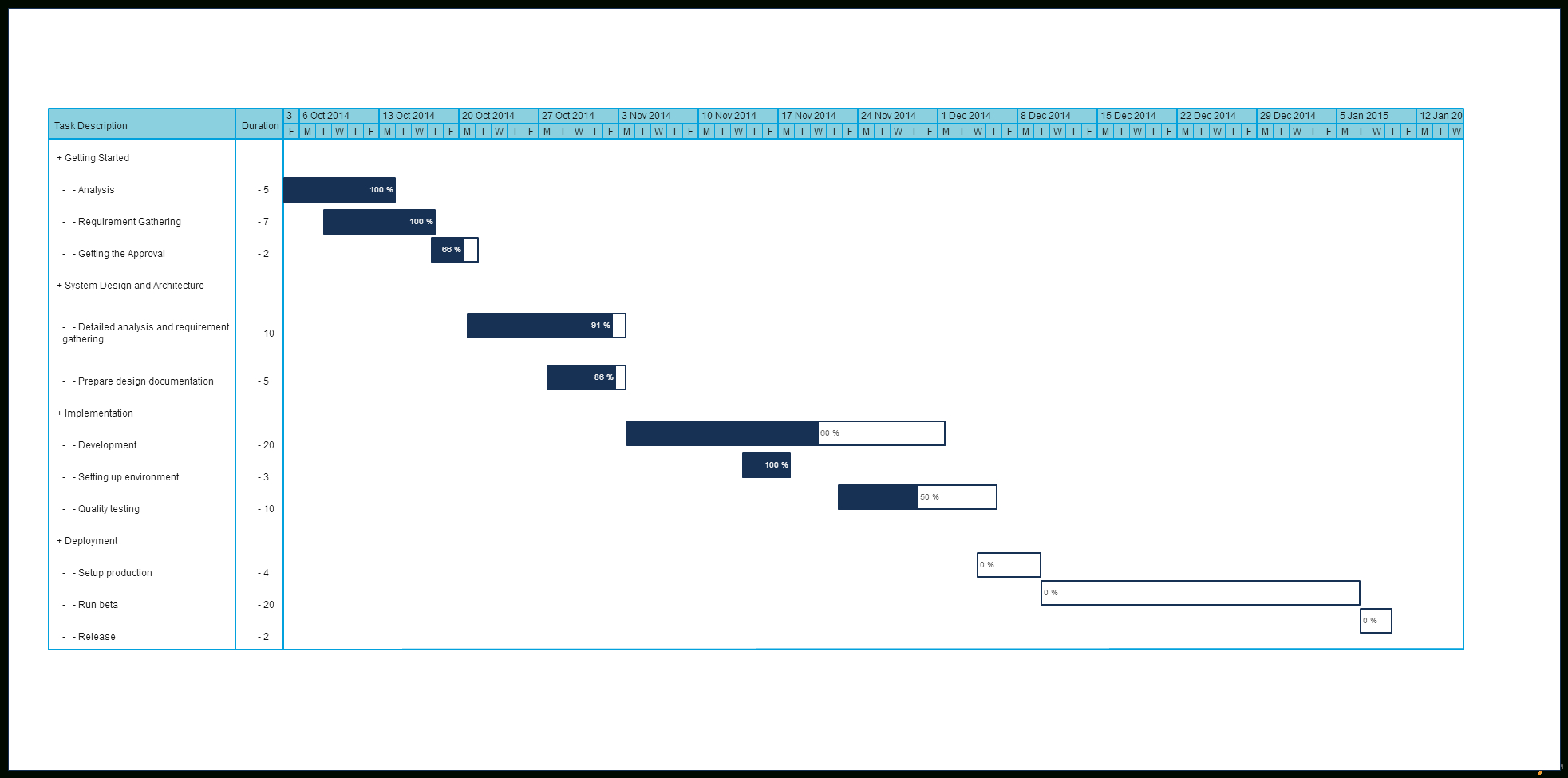 1965×975 high level gantt chart template db excelcom from db-excel.com
  795×1124 gantt chart planning template templates allbusinesstemplatescom from www.allbusinesstemplates.com
  1881×1058 gantt chart template templates allbusinesstemplatescom from www.allbusinesstemplates.com
  1920×982 simple gantt chart create simple gantt chart from appfluence.com
  1120×691 gantt chart excel simple steps create excel gantt chart from appfluence.com
  600×730 high level gantt chart template template from enterstarcrypticcity.blogspot.com
 Thank you for visiting Gantt Chart Template With Built-in Priority Levels. There are a lot of beautiful templates out there, but it can be easy to feel like a lot of the best cost a ridiculous amount of money, require special design. And if at this time you are looking for information and ideas regarding the Gantt Chart Template With Built-in Priority Levels then, you are in the perfect place. Get this Gantt Chart Template With Built-in Priority Levels for free here. We hope this post Gantt Chart Template With Built-in Priority Levels inspired you and help you what you are looking for.
Gantt Chart Template With Built-in Priority Levels was posted in December 20, 2025 at 3:57 am. If you wanna have it as yours, please click the Pictures and you will go to click right mouse then Save Image As and Click Save and download the Gantt Chart Template With Built-in Priority Levels Picture.. Don’t forget to share this picture with others via Facebook, Twitter, Pinterest or other social medias! we do hope you'll get inspired by SampleTemplates123... Thanks again! If you have any DMCA issues on this post, please contact us!