
Lean Startup Gantt Chart Template With Hypothesis Steps
Lean Startup Gantt Chart Template with Hypothesis Steps
The Lean Startup methodology, popularized by Eric Ries, emphasizes building a product iteratively and efficiently, focusing on validated learning through experimentation. While Gantt charts are traditionally associated with waterfall project management, they can be effectively adapted for Lean Startup, especially when incorporating hypothesis-driven development. This tailored approach creates a dynamic roadmap that visualizes progress, manages resources, and most importantly, tracks the validation of key assumptions underlying the startup’s business model.
Rethinking the Gantt Chart for Lean Startup
A traditional Gantt chart visualizes tasks, timelines, and dependencies. In the Lean Startup context, it becomes a living document that reflects the experimental nature of building a business. Instead of defining fixed timelines for building features based on unvalidated assumptions, the Lean Startup Gantt chart focuses on testing hypotheses and adjusting the product roadmap based on learning.
Key Elements of a Lean Startup Gantt Chart Template with Hypothesis Steps
The structure of this modified Gantt chart revolves around these key elements:
- Hypothesis Definition: Each task begins with clearly stating the hypothesis being tested. This hypothesis should be specific, measurable, achievable, relevant, and time-bound (SMART). For example: “We hypothesize that offering a 14-day free trial will increase user sign-ups by 20% within one month.”
- Experiment Design: Detail the specific experiment designed to validate or invalidate the hypothesis. This includes defining the target audience, the method of experimentation (e.g., A/B testing, customer interviews, surveys), and the metrics being tracked.
- Minimum Viable Product (MVP) Development (Optional): If an MVP is required to test the hypothesis, the necessary development tasks are included, along with estimated timelines. Focus on building only the features essential for testing the hypothesis.
- Experiment Execution: This section outlines the steps involved in running the experiment, including tasks like setting up A/B testing software, recruiting participants, launching the experiment, and monitoring results.
- Data Collection & Analysis: This critical phase involves gathering data from the experiment and analyzing it to determine whether the hypothesis is supported. Define how you will collect data (e.g., analytics dashboards, user feedback forms) and the specific analysis techniques you will use.
- Learning & Iteration: Based on the data analysis, document the key learnings and the resulting action. This might involve validating the hypothesis, invalidating it and pivoting, or iterating on the product based on the findings. This section feeds directly back into the hypothesis definition for the next iteration.
- Task Dependencies: While flexibility is key, identifying task dependencies can still be valuable. For example, data analysis cannot begin until the experiment is complete. These dependencies help ensure a logical workflow.
- Timeline: Assign estimated timelines to each task, but recognize that these are subject to change based on the outcome of the experiments. Timelines should be short and focused on rapid iteration.
- Resources: Allocate resources (personnel, budget, tools) to each task to ensure efficient execution.
- Status Tracking: Monitor the progress of each task and update the chart accordingly. This provides a clear overview of the project’s status and highlights any potential bottlenecks.
Steps for Implementing the Lean Startup Gantt Chart Template
- Identify Key Hypotheses: Start by identifying the critical assumptions underlying your business model. These might include assumptions about customer needs, value proposition, pricing, or marketing channels. Use the Business Model Canvas to identify these key assumptions.
- Prioritize Hypotheses: Not all hypotheses are created equal. Prioritize those that are most critical to the success of your business and those that carry the highest risk. This helps focus your efforts on the most important areas. A risk assessment matrix can be useful here.
- Define Experiments: Design experiments to test each hypothesis. The experiments should be designed to generate actionable data quickly and efficiently. Consider using methods like A/B testing, customer interviews, surveys, or landing page tests.
- Create the Gantt Chart: Build the Gantt chart, incorporating all the elements described above. Use project management software like Asana, Trello, or Jira, or even a spreadsheet program like Google Sheets or Excel.
- Execute Experiments: Run the experiments according to the plan outlined in the Gantt chart. Monitor the results closely and be prepared to adjust the experiments as needed.
- Analyze Data & Learn: Once the experiments are complete, analyze the data to determine whether the hypotheses are supported. Document the key learnings and use them to inform your product development strategy.
- Iterate & Repeat: Based on the learnings from the experiments, iterate on your product and business model. Then, repeat the process of identifying hypotheses, designing experiments, and analyzing data. This iterative process is at the heart of the Lean Startup methodology.
- Regular Review & Adjustment: The Gantt chart is not a static document. It should be reviewed and adjusted regularly as new information becomes available. This ensures that the chart remains relevant and useful throughout the product development process.
Benefits of Using a Lean Startup Gantt Chart
- Focus on Validated Learning: Emphasizes testing assumptions and making data-driven decisions.
- Increased Efficiency: Reduces waste by focusing on building only what is necessary to test hypotheses.
- Improved Product-Market Fit: Increases the likelihood of building a product that meets customer needs.
- Enhanced Collaboration: Provides a clear roadmap for the entire team and facilitates communication.
- Greater Flexibility: Allows for rapid iteration and adaptation based on new information.
- Clear Visualization of Progress: Provides a visual representation of the project’s status, highlighting key milestones and potential roadblocks.
- Resource Optimization: Enables efficient allocation of resources based on the priority of hypotheses.
Example Hypothesis Steps in a Lean Startup Gantt Chart
Here’s a simplified example showing how hypothesis steps might be incorporated into a Lean Startup Gantt chart:
| Task | Hypothesis | Experiment | Timeline | Status | Learning & Action |
|---|---|---|---|---|---|
| Test Free Trial Offer | Offering a 14-day free trial will increase user sign-ups by 20% within one month. | A/B test offering a 14-day free trial versus a standard signup flow. | Week 1-4 | In Progress | [To be updated upon completion] |
| Analyze A/B Test Results | N/A | Analyze data from the A/B test to determine the impact of the free trial on sign-ups. | Week 5 | Planned | [To be updated upon completion] |
| Iterate on Signup Flow | N/A | Based on the results of the A/B test, iterate on the signup flow to optimize conversion rates. | Week 6 | Planned | [To be updated upon completion] |
Conclusion
Adapting the Gantt chart for Lean Startup involves shifting the focus from rigid planning to hypothesis-driven experimentation. By incorporating hypothesis definition, experiment design, and data analysis into the chart, startups can create a dynamic roadmap that promotes validated learning, efficient resource allocation, and ultimately, a greater chance of building a successful product. While traditional Gantt charts emphasize predictability, the Lean Startup version embraces uncertainty and prioritizes rapid iteration based on real-world data.
 1320×544 startup planning gantt chart templates allbusinesstemplatescom from www.allbusinesstemplates.com
  480×270 startup gantt chart project schedule template pagetimelinesingle from www.slidemembers.com
  1280×720 lean startup methodology powerpoint template slidemodel from slidemodel.com
 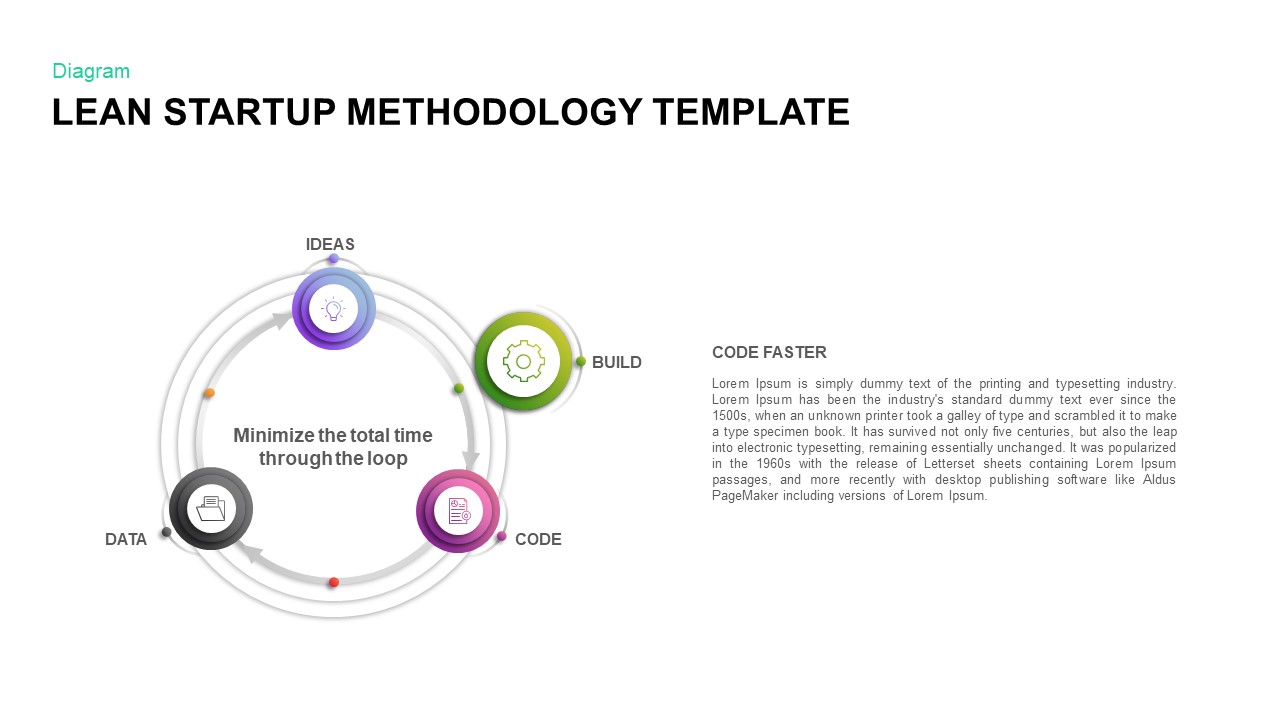 1280×720 lean startup methodology powerpoint template slidebazaar from slidebazaar.com
  659×850 lean startup experiment template eloquens from www.eloquens.com
  1280×720 project development model lean startup slidemodel from slidemodel.com
  720×540 lean startup flow dennis van der heijden from www.dennisvanderheijden.com
 Thank you for visiting Lean Startup Gantt Chart Template With Hypothesis Steps. There are a lot of beautiful templates out there, but it can be easy to feel like a lot of the best cost a ridiculous amount of money, require special design. And if at this time you are looking for information and ideas regarding the Lean Startup Gantt Chart Template With Hypothesis Steps then, you are in the perfect place. Get this Lean Startup Gantt Chart Template With Hypothesis Steps for free here. We hope this post Lean Startup Gantt Chart Template With Hypothesis Steps inspired you and help you what you are looking for.
Lean Startup Gantt Chart Template With Hypothesis Steps was posted in February 12, 2026 at 10:02 pm. If you wanna have it as yours, please click the Pictures and you will go to click right mouse then Save Image As and Click Save and download the Lean Startup Gantt Chart Template With Hypothesis Steps Picture.. Don’t forget to share this picture with others via Facebook, Twitter, Pinterest or other social medias! we do hope you'll get inspired by SampleTemplates123... Thanks again! If you have any DMCA issues on this post, please contact us!